Introduction
Asterisk WebRTC real-time communication is transforming how businesses handle customer calls. By enabling voice and video through browsers, this technology removes the need for physical phones or software installations. As a result, organizations can deploy agents faster, reduce costs, and improve customer experiences.
In this blog, we’ll break down how Asterisk and WebRTC work together, explore their benefits, and answer common questions about implementation.
What Is WebRTC and Why Does It Matter?
WebRTC (Web Real-Time Communication) is a browser-based technology that allows voice, video, and data to be shared in real time. Because it’s supported by major browsers like Chrome, Firefox, and Safari, users can communicate without downloading additional tools.
This makes it ideal for businesses looking to simplify digital communication. For example, customers can start a voice call with an agent directly from a website, without needing to dial a number or install an app.
How Asterisk WebRTC Real-Time Communication Works
Asterisk is a leading open-source PBX system that manages and routes calls. When combined with WebRTC, Asterisk can handle browser-based voice and video communications securely and efficiently.
Although traditional systems often require hardware and software installations, this integration removes those barriers. In fact, all that’s needed is a browser and a network connection.
Benefits of Asterisk WebRTC Real-Time Communication
Browser-Based Calling Without the Hassle
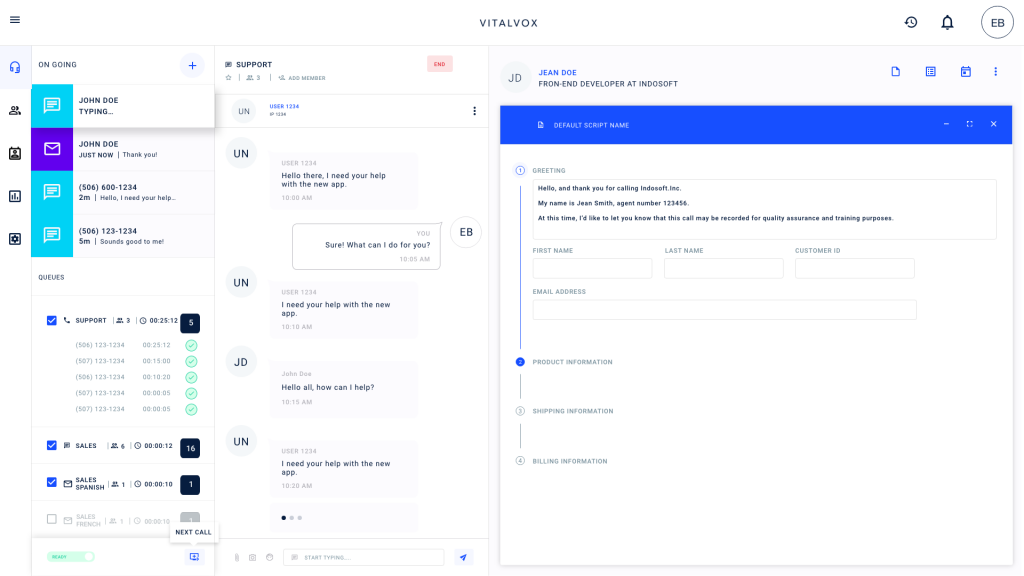
With this setup, users make and receive calls directly in the browser. Therefore, agents can start working immediately without needing complex software or phone setups.
Reduced Infrastructure and Hardware Costs
Since WebRTC replaces traditional phones and softphones, companies can save money. Additionally, maintenance becomes simpler, which further reduces operational costs.
Built-In Security for Peace of Mind
WebRTC uses encrypted protocols like SRTP and DTLS to protect audio and video streams. When combined with Asterisk’s secure SIP (TLS), your communication stays protected from end to end.
Real-World Use Cases for Asterisk WebRTC
Supporting Remote and Hybrid Teams
In today’s flexible work environments, browser-based calling is essential. Because agents can work from any location with internet access, your contact center becomes more agile and resilient.
Website-Integrated Click-to-Call Support
With WebRTC, you can embed a “click-to-call” button into your site. Consequently, customers connect with agents instantly—without ever leaving your platform.
Enabling Real-Time Video for Better Support
In technical support or healthcare, real-time video is invaluable. For example, an IT agent can walk a customer through hardware setup using live video, all within the browser.
Technical Considerations for Integration
While implementation is straightforward, there are technical factors to address for optimal performance.
Using SIP over WebSockets (WSS)
WebRTC relies on SIP over WebSockets for signaling. Therefore, your Asterisk system must support WSS, and tools like SIP.js or JsSIP can help bridge the gap between browser and server.
Handling NAT Traversal with ICE, STUN, and TURN
To establish a stable connection, WebRTC uses technologies like ICE, STUN, and TURN. These handle NAT traversal and firewall issues, ensuring smooth call quality even in complex network environments.
Ensuring Browser Compatibility and Testing
Although most browsers support WebRTC, it’s important to test across platforms. This ensures consistent communication quality for every user.
Why Asterisk WebRTC Real-Time Communication Boosts ROI
Combining Asterisk with WebRTC isn’t just a technical upgrade—it delivers real business value:
-
Agent onboarding becomes faster, leading to lower training costs.
-
Customers enjoy quicker and easier access to support.
-
Infrastructure costs shrink as fewer devices and licenses are needed.
-
Your contact center becomes more adaptable and future-ready.
Ultimately, this approach helps companies deliver better service while staying lean and efficient.
Frequently Asked Questions (FAQs)
1. What is needed to run Asterisk with WebRTC?
You’ll need an Asterisk server configured for SIP over WebSockets, along with a front-end using JavaScript libraries like SIP.js. Additionally, ICE, STUN, and TURN servers are required for stable media connections.
2. Is Asterisk WebRTC communication secure?
Yes. WebRTC encrypts all media and signaling data. When paired with Asterisk’s TLS and secure SIP support, your communication stays protected from start to finish.
3. Can mobile browsers support this setup?
Absolutely. Most modern mobile browsers—such as Chrome and Safari—support WebRTC, allowing agents and customers to connect from virtually any device.
4. How does audio/video quality hold up?
Asterisk supports high-quality codecs like Opus and G.711. Moreover, with proper network settings and QoS rules, you can ensure reliable performance across environments.
Final Thoughts
Asterisk WebRTC real-time communication allows businesses to modernize their contact centers with ease. Not only does it reduce costs, but it also improves flexibility and user experience. Whether you’re deploying remote agents or adding voice features to your app, this integration delivers everything your team needs to succeed.
Now is the perfect time to embrace this technology and future-proof your communication stack.
Contact Us
Looking to deploy Asterisk WebRTC real-time communication in your call center or web app? Our team can help you plan, configure, and launch a secure and scalable solution tailored to your needs. Contact us today to get started and revolutionize your communication strategy.